
Call: 08045801258
 Send Inquiry
 Send Inquiry
ACEPHATE 50% + IMIDACLOPRIDE 1.8% SP
Price 370.0 INR/ Kilograms
MOQ : 100 Kilograms
ACEPHATE 50% + IMIDACLOPRIDE 1.8% SP Specification
- Classification
- Insecticide
- Release Type
- Controlled
- Physical State
- Powder
- Purity(%)
- 98% 99% 100%
- Application
- Agriculture
- Color
- White
- Form
- Powder
ACEPHATE 50% + IMIDACLOPRIDE 1.8% SP Trade Information
- Minimum Order Quantity
- 100 Kilograms
- Delivery Time
- 7 Days
About ACEPHATE 50% + IMIDACLOPRIDE 1.8% SP
Dual-Action Formulation for Agriculture
Combining Acephate 50% and Imidacloprid 1.8% SP, this insecticide offers dual-action defense against pests. The blend exploits both contact and systemic properties, targeting insects on and within the plants, making it highly effective in protecting various crops.
High Purity and Controlled Release
With purity levels ranging between 98% and 100%, this white powder guarantees potent pest control with minimum residues. The controlled-release formulation ensures a gradual, steady effect, reducing the frequency of applications and supporting sustained crop health.
Reliable Manufacturer and Supplier in India
Produced and distributed by reputed companies in India, this insecticide adheres to strict quality standards. Farmers and agricultural professionals can rely on its consistency, efficacy, and compatibility with Indian agro-climatic conditions.
FAQ's of ACEPHATE 50% + IMIDACLOPRIDE 1.8% SP:
Q: How should ACEPHATE 50% + IMIDACLOPRIDE 1.8% SP be applied in the field?
A: This insecticide is applied as a powder, usually diluted in water and sprayed directly onto crops. It is important to follow the manufacturer's recommended dosage and safety guidelines for optimal results and safe handling.Q: What types of pests does this insecticide effectively control?
A: ACEPHATE 50% + IMIDACLOPRIDE 1.8% SP is effective against a broad spectrum of agricultural pests, including sucking and chewing insects such as aphids, whiteflies, jassids, and various beetles.Q: When is the ideal time to use this insecticide for best results?
A: Apply early in the pest infestation or at the appearance of the first signs of pest activity. Early application ensures systematic absorption and effective crop protection throughout the growing season.Q: Where can this product be used in agriculture?
A: It is suitable for use on numerous crops, including vegetables, fruits, cereals, pulses, and ornamental plants, making it versatile for different farming contexts across India.Q: What is the process for using ACEPHATE 50% + IMIDACLOPRIDE 1.8% SP?
A: Dissolve the specified quantity of powder in water to prepare a spray solution. Stir thoroughly to ensure a uniform mixture and apply uniformly on the foliage of targeted crops.Q: What are the main usage benefits of this insecticide?
A: The product provides long-lasting pest control due to its systemic and contact action, reduces the need for frequent applications, and helps improve overall crop yield and quality.Q: How does the purity and controlled release feature benefit agriculture?
A: High purity ensures stronger pest control with minimal chemical residues, while controlled-release action offers continuous protection, minimizing repeated treatments and supporting sustainable farming practices.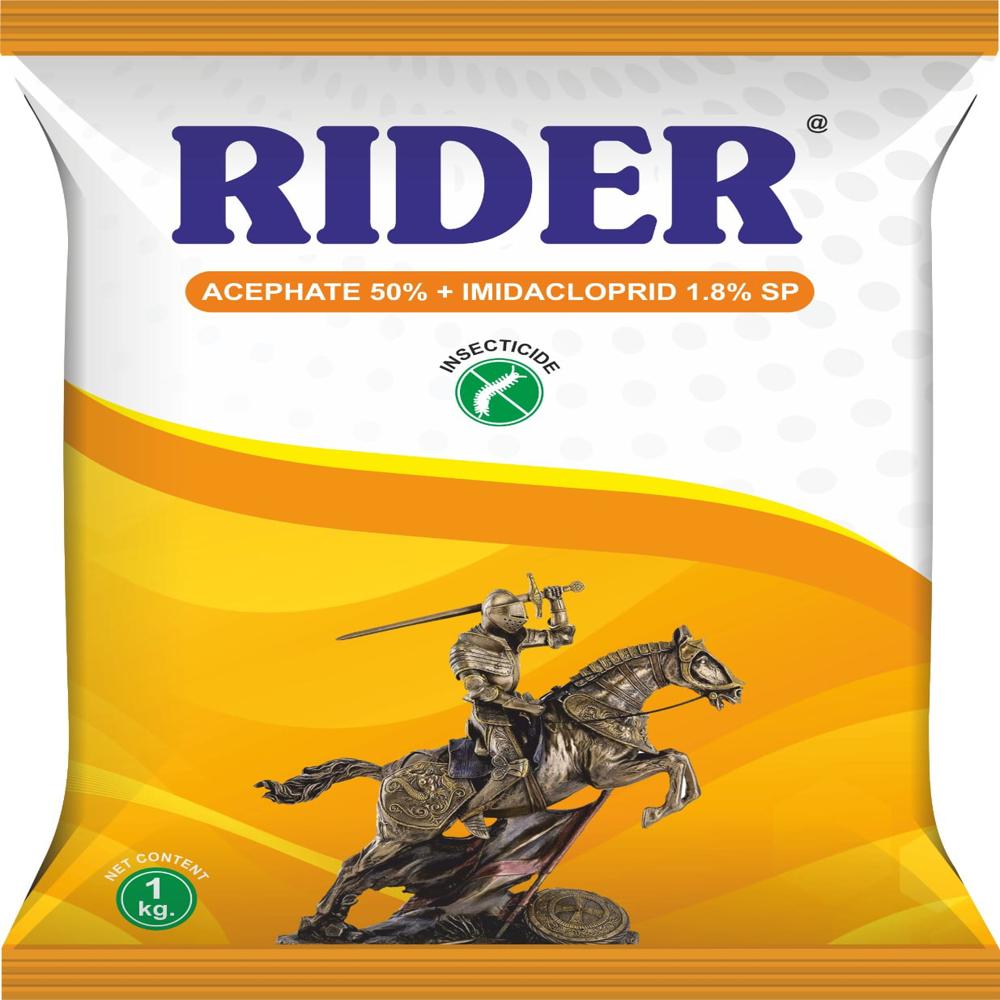
Tell us about your requirement

Price:
Quantity
Select Unit
- 50
- 100
- 200
- 250
- 500
- 1000+
Additional detail
Mobile number
Email

More Products in Agriculture Insecticides Category
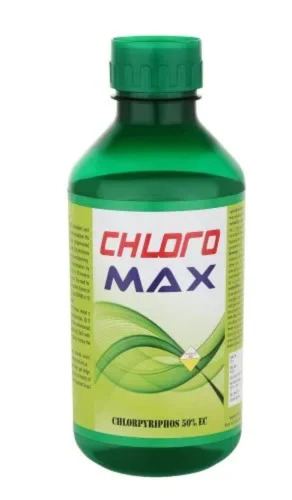
Cloro Max Chlorpyrifos 50 E C Bottle
Price 370 INR / Liter
Minimum Order Quantity : 100 Liters
Application : Agriculture
Release Type : Controlled
Purity(%) : 98% 99% 100%
Form : Liquid
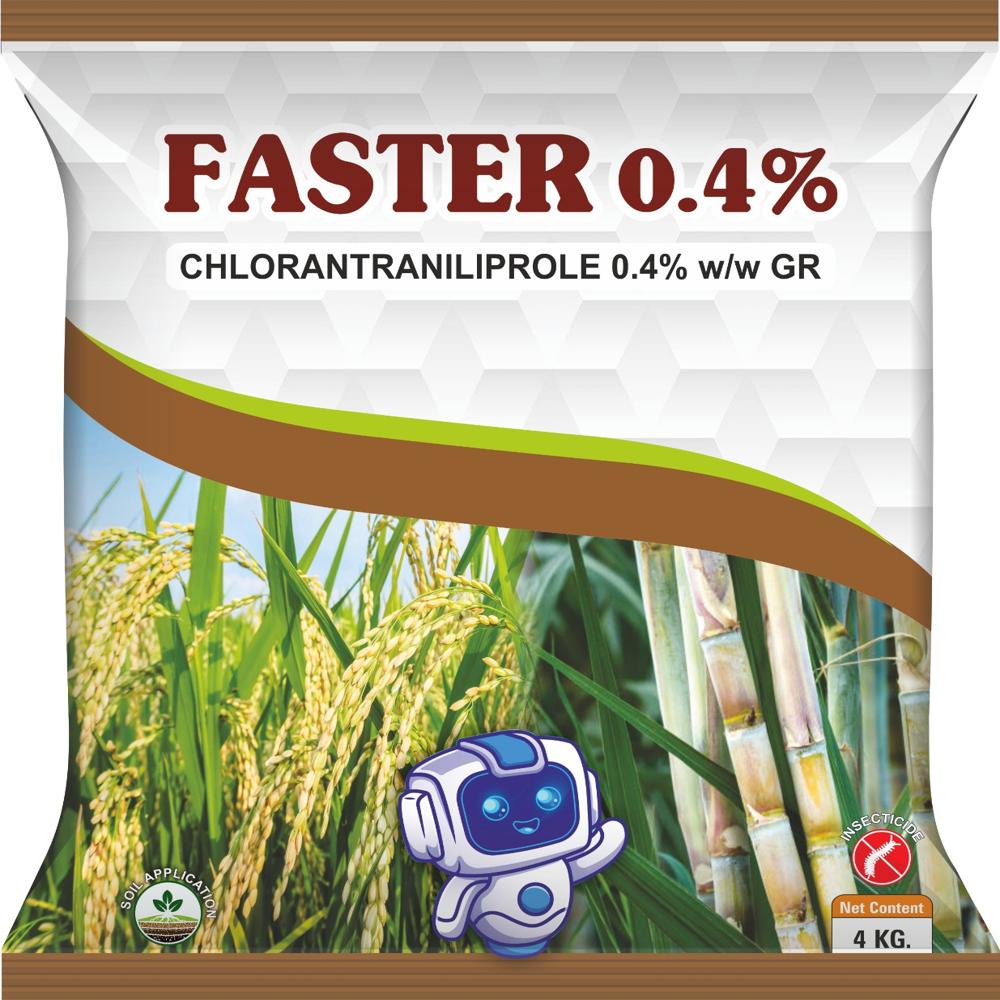
CHLORANTRANILIPROLE 0.4% GR
Price 238.0 INR / Kilograms
Minimum Order Quantity : 500 Kilograms
Application : Agriculture
Release Type : Controlled
Purity(%) : 98% 99% 100%
Form : Granules
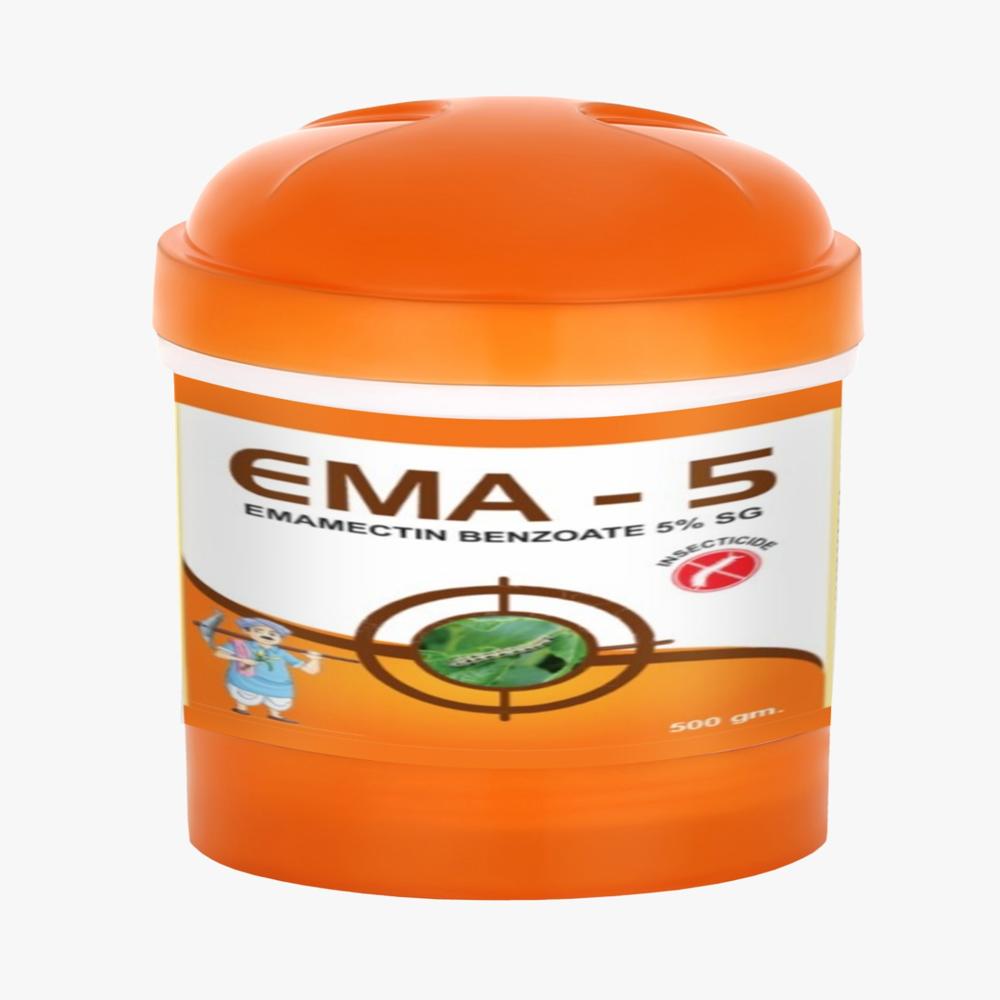
emamectin benzoate 5% SG
Price 718.0 INR / Kilograms
Minimum Order Quantity : 100 Kilograms
Application : Agriculture
Release Type : Other
Purity(%) : Other
Form : Granules
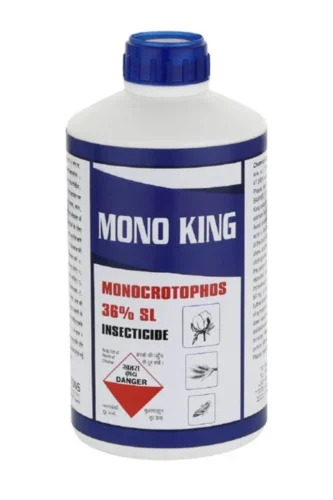
Mono King Monocrotophos 36 SL Insecticide
Price 320 INR / Liter
Minimum Order Quantity : 100 Liters
Application : Agriculture
Release Type : Controlled
Purity(%) : 98% 99% 100%
Form : Liquid

Contact Details
Nauxima Bio Tech
GST : 24DDFPK8807J1ZB
- 202, 2nd, Balaji Hall, 150 Feet Ring Road, Mahapuja Dham Chowk,Rajkot - 360005, Gujarat, India
- Phone :08045801258

 Send Inquiry
Developed and Managed by Infocom Network Private Limited.
