
Call: 08045801258
 Send Inquiry
 Send Inquiry
BUPROFENZIN 15% + ACEPHATE 35% WP
Price 370.0 INR/ Kilograms
MOQ : 100 Kilograms
BUPROFENZIN 15% + ACEPHATE 35% WP Specification
- Classification
- Insecticide
- Release Type
- Controlled
- Physical State
- Powder
- Purity(%)
- 98% 99% 100%
- Application
- Agriculture
- Form
- Powder
BUPROFENZIN 15% + ACEPHATE 35% WP Trade Information
- Minimum Order Quantity
- 100 Kilograms
- Delivery Time
- 7 Days
About BUPROFENZIN 15% + ACEPHATE 35% WP
Dual-Action Pest Control
Harnessing the synergy between Buprofezin and Acephate, this product offers comprehensive insect management. The dual-action formula targets pests at multiple life stages, reducing their populations more effectively. Its powdered formulation ensures straightforward mixing and application in agricultural settings.
High Purity and Controlled Release
With purity levels up to 100%, the formulation guarantees potency and effectiveness. The controlled release nature means the active ingredients are dispensed gradually, offering sustained crop protection and reducing the need for frequent reapplication. This maximizes the yield and supports cost-effective farming.
FAQ's of BUPROFENZIN 15% + ACEPHATE 35% WP:
Q: How should BUPROFENZIN 15% + ACEPHATE 35% WP be applied on crops?
A: To apply, dissolve the recommended amount of the powder in water and spray evenly over the infested crops, ensuring thorough coverage for optimal insect control. Always refer to the manufacturer's guidelines for precise dosage and safety measures.Q: What types of pests does this insecticide effectively control?
A: This combination targets a wide spectrum of insects, particularly sucking and chewing pests such as aphids, whiteflies, and caterpillars, safeguarding crops throughout their growing period.Q: When is the best time to use this product for maximum impact?
A: For best results, use BUPROFENZIN 15% + ACEPHATE 35% WP at the early stage of pest infestation, preferably during the growing or vegetative phase of crops, to prevent serious damage and ensure healthier yields.Q: Where can farmers purchase BUPROFENZIN 15% + ACEPHATE 35% WP in India?
A: This insecticide is available through authorized agricultural input suppliers, distributors, and directly from reputable manufacturers across India. Always ensure you buy from certified sources to guarantee product authenticity.Q: What is the process for mixing and applying this insecticide?
A: Measure the required quantity as per the crop and pest recommendation, blend it thoroughly with water to form a uniform suspension, and spray it using standard agricultural equipment. Adhere strictly to the supplied instructions for safe and effective application.Q: How does the controlled release feature benefit agricultural practices?
A: The controlled release formulation steadily delivers active ingredients over time, offering prolonged pest protection, reducing repeated spraying, and optimizing labor and resource use for farmers.Q: What advantages does this product offer compared to single-ingredient insecticides?
A: The dual-action formula combines the strengths of both Buprofezin and Acephate, increasing the spectrum and duration of control against resistant pest populations, thereby improving crop productivity and reducing the likelihood of resistance development.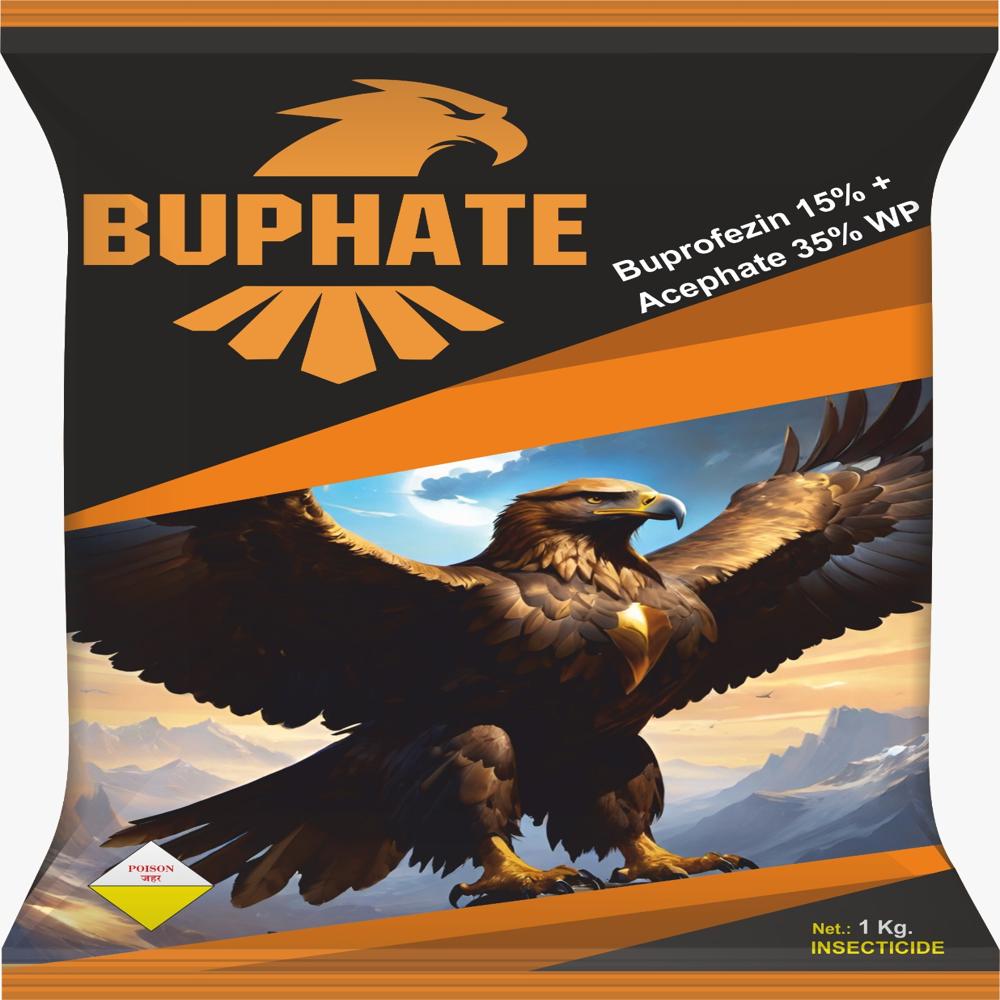
Tell us about your requirement

Price:
Quantity
Select Unit
- 50
- 100
- 200
- 250
- 500
- 1000+
Additional detail
Mobile number
Email

More Products in Agriculture Insecticides Category
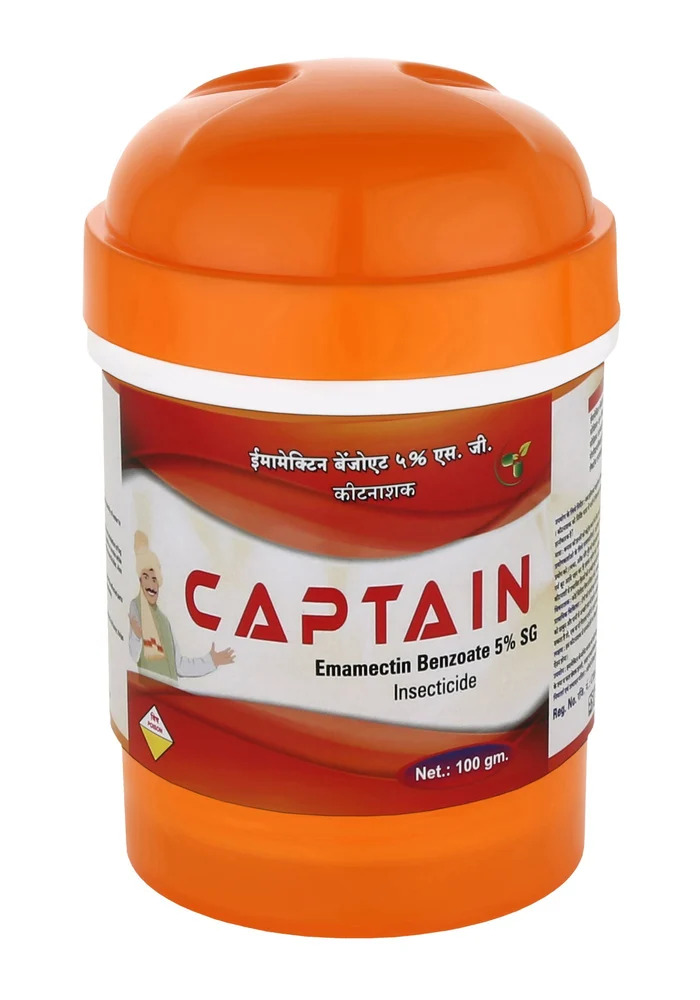
Emamectin Benzoate 5 SG Insecticide
Price 720.0 INR / Piece
Minimum Order Quantity : 100 Pieces
Form : Granules
Release Type : Controlled
Purity(%) : 96%
Application : Agriculture
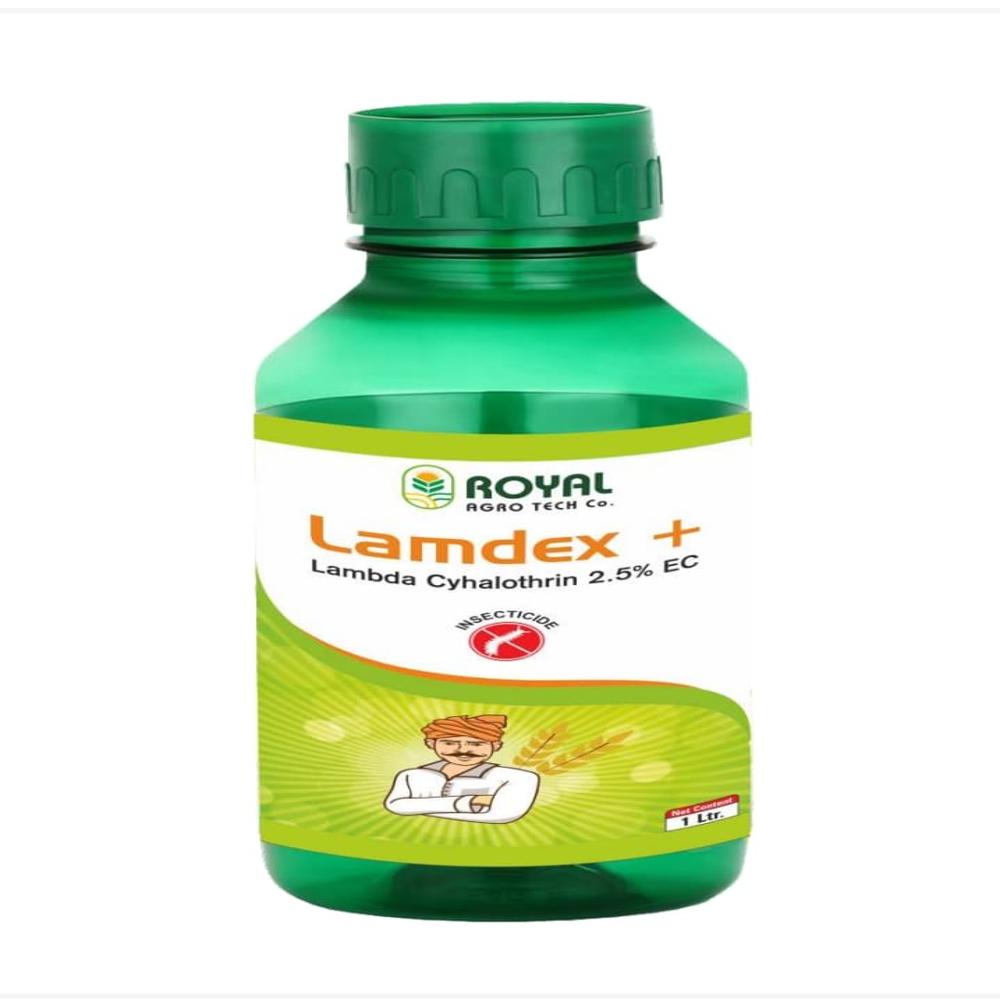
LAMDA CYHALOTHIN 2.5%
Price 235.0 INR / Liter
Minimum Order Quantity : 100 Liters
Form : Liquid
Release Type : Controlled
Purity(%) : 98% 99% 100%
Application : Agriculture
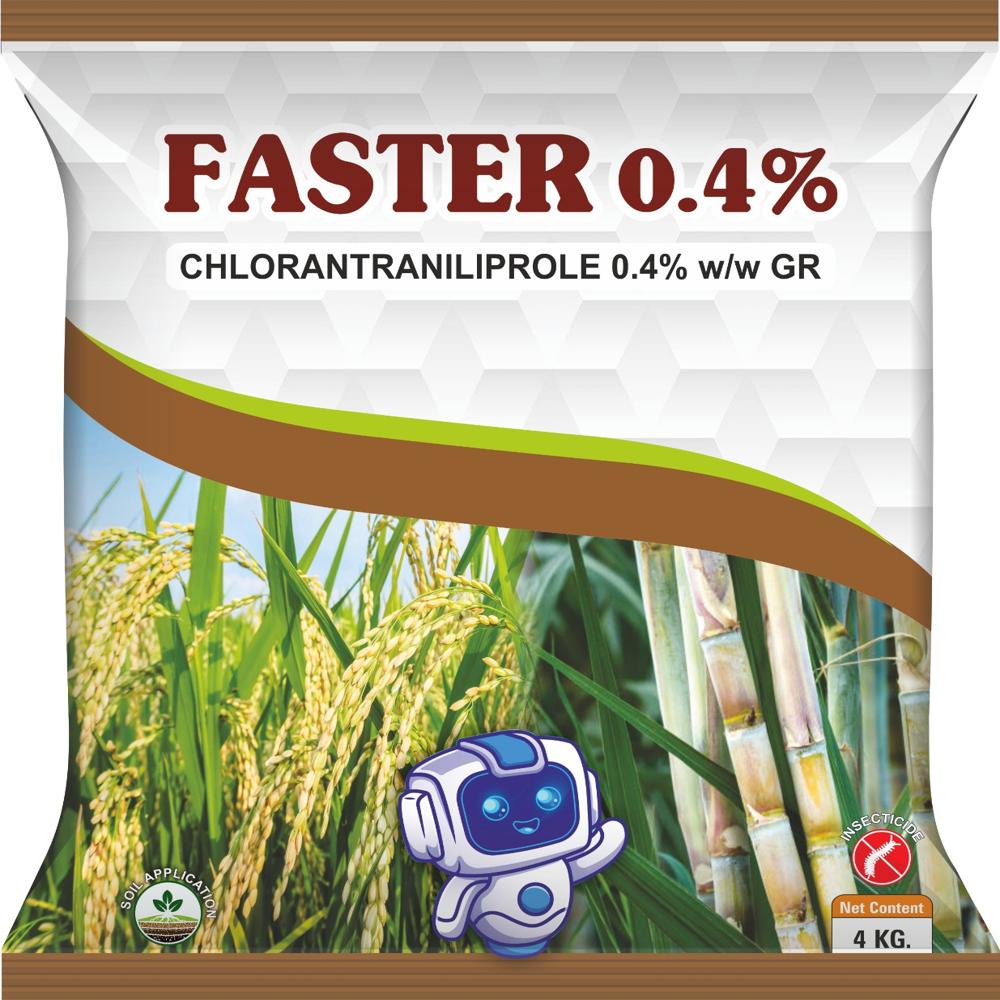
CHLORANTRANILIPROLE 0.4% GR
Price 238.0 INR / Kilograms
Minimum Order Quantity : 500 Kilograms
Form : Granules
Release Type : Controlled
Purity(%) : 98% 99% 100%
Application : Agriculture
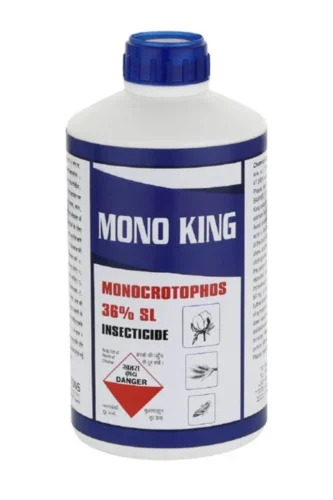
Mono King Monocrotophos 36 SL Insecticide
Price 320 INR / Liter
Minimum Order Quantity : 100 Liters
Form : Liquid
Release Type : Controlled
Purity(%) : 98% 99% 100%
Application : Agriculture

Contact Details
Nauxima Bio Tech
GST : 24DDFPK8807J1ZB
- 202, 2nd, Balaji Hall, 150 Feet Ring Road, Mahapuja Dham Chowk,Rajkot - 360005, Gujarat, India
- Phone :08045801258

 Send Inquiry
Developed and Managed by Infocom Network Private Limited.
